Endodontic Retreatment in Virginia Beach
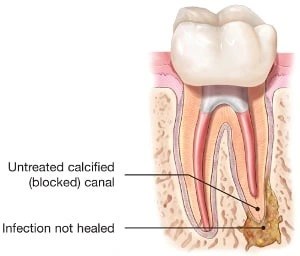 With the appropriate care, your teeth that have had endodontic treatment will last as long as other natural teeth. Yet, a tooth that has received treatment may fail to heal or pain may continue to exist. Sometimes, the pain may occur months or years after treatment. If so, endodontic retreatment may be needed.
Why would I need endodontic retreatment?
Improper Healing
Improper healing may be caused by:
- Curved or narrow canals were not treated during the initial treatment.
- Complicated canal anatomy went undetected during the initial treatment.
- The crown or restoration was not placed within the appropriate amount of time following the procedure.
- The crown or restoration did not prevent saliva from contaminating the inside of the tooth. Human saliva is full of bacteria that can cause disease if they find their way into the root canal system.
.
.
 New Problems Arise
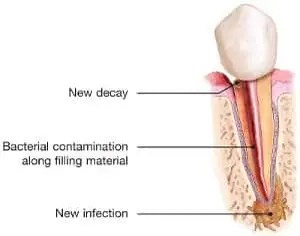
In some cases, new problems can influence a tooth that was successfully treated:
- New decay can expose a root canal filling material to bacteria, causing a new infection.
- A cracked, loose or broken filling or crown can expose the tooth to new infection.
- A tooth sustains a fracture.
.
.
Once retreatment has been selected as a solution to your problem, the doctors will reopen your tooth to gain access to the root canal filling material. This restorative material will be removed to enable access to the root canal. The doctors will now clean your canals and carefully examine the inside of the problematic tooth. Once cleaned, the doctors will fill and seal the canals and place a temporary filling in the tooth.
.
At this point, you will need to return to your dentist as soon as possible in order to have a new crown or restoration placed on the tooth to restore full functionality.
.
Ready to Schedule a Consultation?
From root canals to advanced endodontic treatments, relief is just one visit away. Contact us today!
What happens after retreatment?
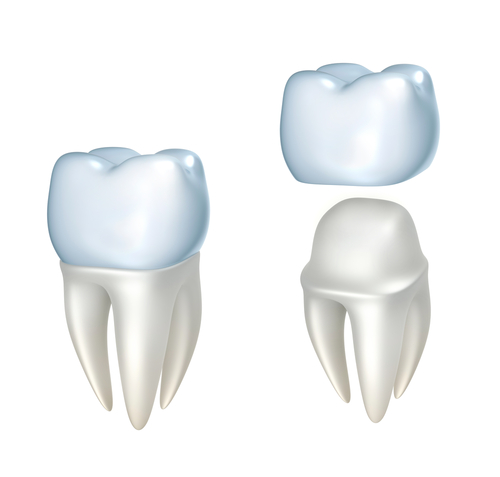 When your endodontic retreatment has been completed, we will send a record of your treatment to your dentist. Your dentist will decide on what type of restoration is necessary to protect your tooth. In most cases, a permanent filling or crown will be needed to protect and strengthen the tooth. Be sure to schedule a follow-up appointment with your dentist within a few weeks to complete the restoration and ensure long-term success.
After your retreatment, you may experience mild soreness or sensitivity for a few days as your tooth and surrounding tissues heal. This is normal and can usually be managed with over-the-counter pain relievers, if needed.
It is rare for endodontic patients to experience complications after routine endodontic treatment or microsurgery. If a problem does occur, however, we are available at all times to respond. To prevent further decay, continue to practice good dental hygiene.
.
+ After Root Canal Treatment Instructions
.
What if retreatment is not an option?
In some cases, a nonsurgical root canal may not be enough to save a tooth, and endodontic surgery may be recommended. This can help locate hidden fractures or canals, remove calcium deposits, or treat damaged root surfaces and surrounding bone.
If surgery is needed, there’s no cause for concern. Advanced technology, such as digital imaging and operating microscopes, ensures the procedure is performed efficiently and comfortably. One of the most common surgical treatments is an apicoectomy, which removes infection or inflammation at the root tip when a previous root canal hasn’t fully resolved the issue.
+ Learn more about Apicoectomy
.
.
Got More Questions? Our team is here to help!
Don’t hesitate to give us a call at Meares Becker Endodontics Phone Number 757.200.6222 —we’re here to guide you every step of the way!